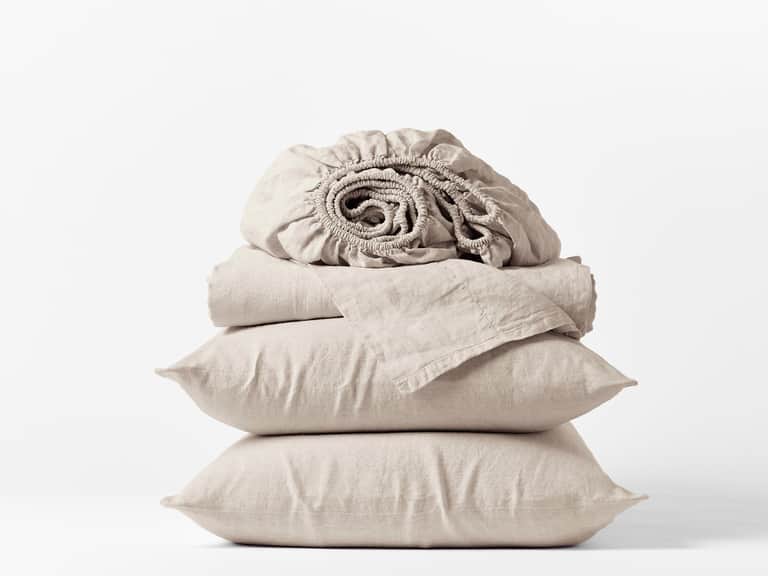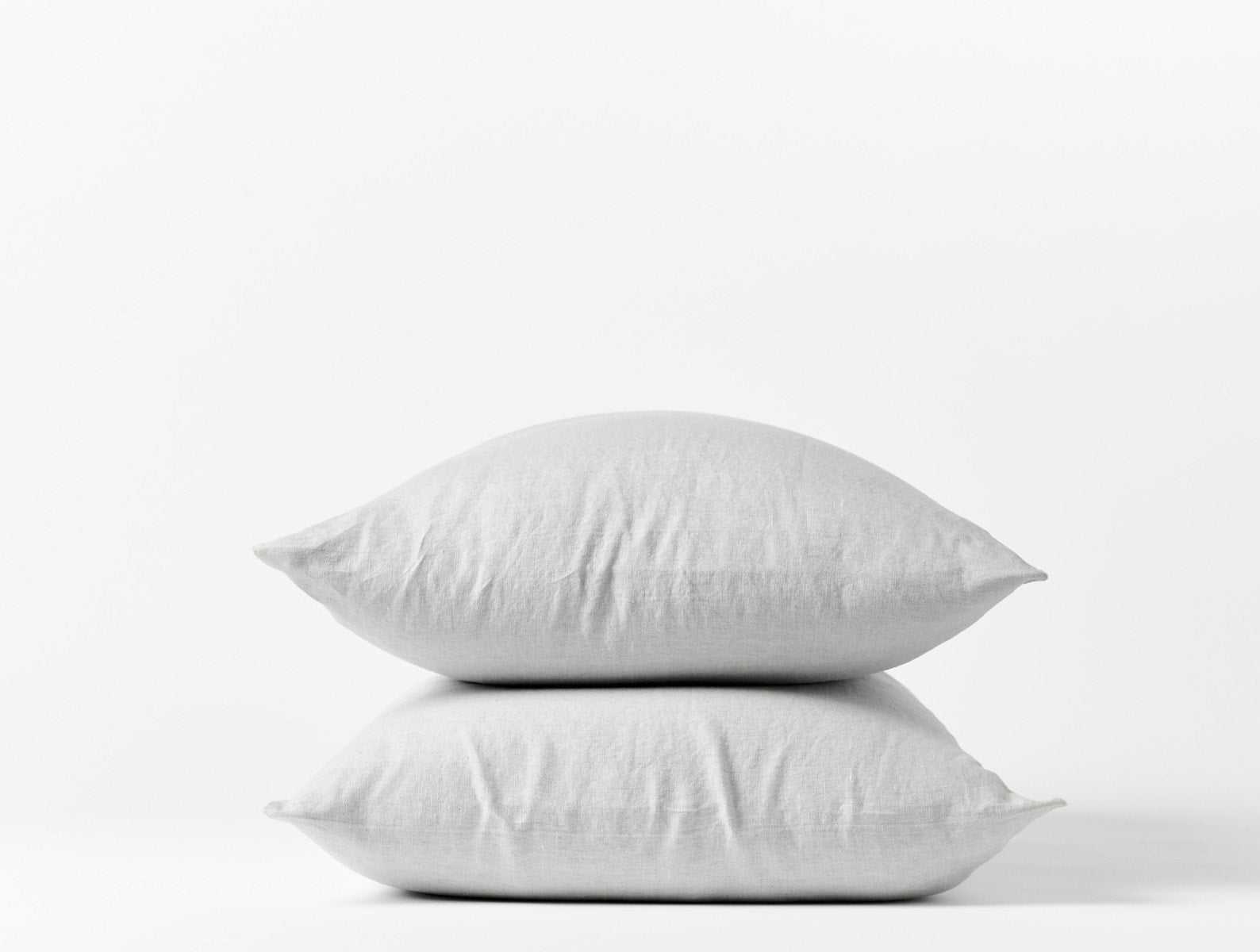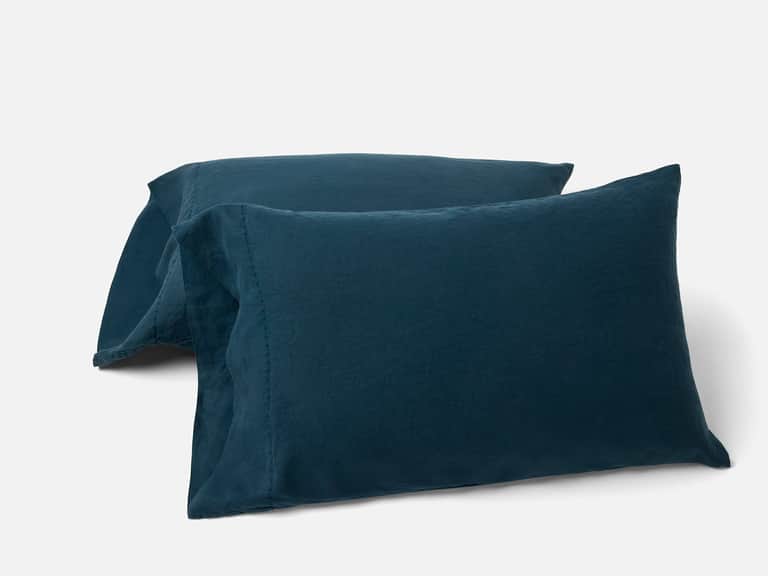
Organic Relaxed Linen Pillowcases
Experience breathable comfort and serene sleep with 100% organic French flax linen, garment-washed for softness and pick-stitched cuffs—calm, cool nights that feel refined and durable with every use.
A clear guide to the Global Organic Textile Standard (GOTS) and its significance for organic linens and bedding. Learn what the certification covers, why it matters for fibers and finishes, and how to verify credibility when shopping.
In a world crowded with claims of sustainability, a label can be as much a compass as a certification. The Global Organic Textile Standard, known as GOTS, operates as a trustworthy map through a dense forest of fibers, finishes, and supply chains. For bedding—where comfort, health, and environmental impact meet daily life—the GOTS seal offers not just assurance of organic fiber content, but a rigorous standard for processing, labeling, and social responsibility. This article unfolds the terrain of GOTS, tying its criteria to practical shopping wisdom and to the lived realities of beds made with organic materials.
GOTS is not a single property—it's an ecosystem of criteria that begins with fiber origin and ends with skin-contact safety. At its core, GOTS requires that a significant portion of a textile product’s fibers be organic. But the certification extends beyond fiber content into the processing steps, dyeing, finishing, labeling, and social criteria across the supply chain.
For bedding, these criteria translate into sheets, pillowcases, and duvet covers that feel pure against the skin and carry a documented pathway from flax or cotton field to finished product.
The value of GOTS is multi-layered. First, material purity: GOTS requires organic fibers, reducing exposure to synthetic pesticides and chemical residues. Second, chemical safety: A robust prohibition on certain toxic substances means that dyes and finishes align with health-conscious, skin-friendly bedding. Third, environmental stewardship: GOTS promotes cleaner production processes, water management, and responsible waste handling. Fourth, social responsibility: The standard embeds labor expectations, aiming for fair wages and safe workplaces across the supply chain.
For educators and researchers, GOTS provides a credible framework to compare products across brands. It offers a common yardstick: a consumer can ask, “Is this linen or cotton GOTS Certified?” and then trace the product’s journey through certification bodies and public primers from established brands such as Coyuchi and Naturepedic, which frequently foreground GOTS in their educational materials.
When you encounter bedding labeled as “organic” or “GOTS” versus “organic cotton” alone, the distinction matters. GOTS’s integrity protection helps prevent greenwashing and ensures that what you buy aligns with your sustainable intentions.
The shopping floor can be noisy. Here are practical steps to verify credibility beyond the brand’s gloss:
The conversation about textiles is not new. It is a dialogue carried by voices across centuries—from early advocates of natural fibers to modern defenders of clean chemistry. Here are three key individuals whose work helps illuminate the present moment:
Among the products that embody GOTS principles in the bedding ecosystem, the Organic Relaxed Linen Pillowcases stand out for their tangible union of material purity and everyday usability. These pillowcases are crafted from 100% organic flax grown in France and woven into linen in Portugal. Garment-washed for a relaxed softness, they are finished with pick-stitched cuffs for a refined edge. The plant-based softener finishing touches the texture without obscuring the linen’s natural breathability.
The pillowcases’ GOTS certification anchors the claim of organic integrity, reinforcing that the flax is grown without synthetic pesticides and the processing adheres to strict chemical and social criteria. In use, linen’s breathable weave and temperature regulation translate into a cooler, drier pillow surface in warm weather and a comfortable warmth as the seasons shift. The garment-washed finish adds a lived-in softness that deepens with each wash, without sacrificing longevity.
This is not merely a textile; it is a story of care—from field to finishing room—embodied in the way the fabric’s texture reveals itself over time. As a reader or shopper, you can appreciate how meticulous sourcing and processing influence what you sleep on each night.
2 pillowcases · 100% organic linen · GOTS certified
Material: 100% organic flax grown in France; linen woven in Portugal. Garment-washed for relaxed softness; pick-stitched cuffs; plant-based softener finish.
Origin: France (flax) / Portugal (linen). Care: Machine wash cold; tumble dry low; warm iron if desired.
Verifying GOTS in a product listing is a mix of label-reading, source-tracing, and cross-referencing with brand primers. Here is a concise, practical workflow:
The Bedding category, including sheets and pillowcases, often features a spectrum of materials and finishes. Linen and wool, when paired with GOTS-certified cottons, create a layered approach to comfort that respects both body and planet. A GOTS-certified linen sheet set, for example, signals that the flax is grown without synthetic inputs, the weaving and finishing meet strict chemical criteria, and the final product aligns with social compliance standards. In this carefully curated universe, products like Organic Relaxed Linen Sheet Sets and Organic Relaxed Linen Pillowcases illustrate how a brand can foreground certification while maintaining the tactile poetry of linen—cooling, breathable, and gently evolving with use.
For the domain organiclinens.net, a direction that marries education with credible standards—centered on GOTS—offers a sturdy platform for ongoing scholarship. Core content might include:
GOTS is not a silver bullet, but it is a robust framework that anchors the conversation about organic textiles in bedding. It prescribes a rigorous journey—from sustainable farming to fair labor practices, from organic fibers to non-toxic processing. For readers, the lesson is culinary in its clarity: you taste or touch what you trust. The GOTS stamp invites you to rest assured that what lies on the sheet—whether linen’s open weave or cotton’s cool precision—has passed a thoughtful, public standard.